
 EN
EN

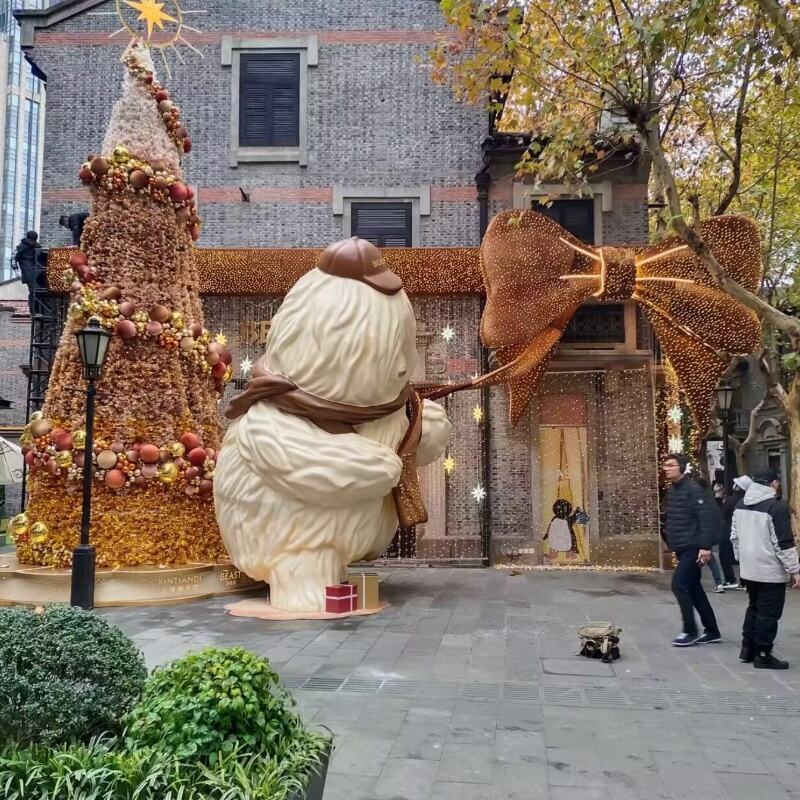
Transform your living environment into a reflection of your unique personality and aesthetic vision through the strategic placement of custom art sculptures. These distinctive decorative elements serve as powerful focal points that communicate your individual style while creating engaging conversation pieces for guests and family members. Unlike mass-produced decor items, custom art sculptures offer an unparalleled opportunity to showcase your personal taste and create spaces that truly feel like home.
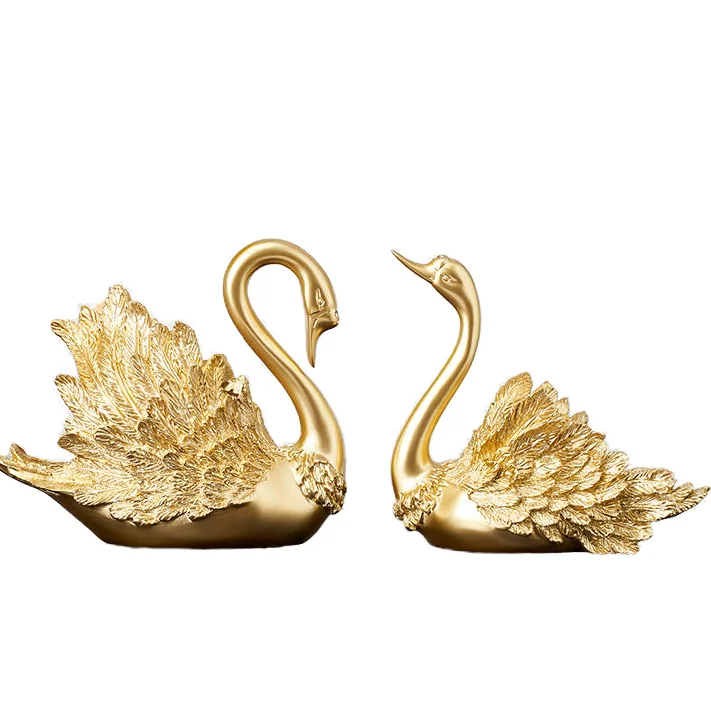
The impact of personalized sculptural elements extends far beyond mere decoration, influencing the emotional atmosphere and energy flow throughout your living spaces. When thoughtfully selected and positioned, these artistic pieces can dramatically alter the perception of room size, lighting, and overall ambiance. The beauty of custom sculptures lies in their ability to bridge the gap between functional design and meaningful artistic expression, creating environments that inspire creativity and emotional connection.
Understanding the Psychology of Personalized Art in Interior Design
Emotional Connection Through Artistic Expression
The psychological impact of surrounding yourself with personally meaningful artwork cannot be overstated in contemporary interior design theory. Custom art sculptures create deep emotional connections by reflecting your values, memories, and aesthetic preferences in three-dimensional form. These pieces serve as visual anchors that ground you in your space while providing constant sources of inspiration and comfort. Research in environmental psychology demonstrates that individuals who incorporate personally significant artwork into their living spaces report higher levels of satisfaction and emotional well-being.
The tactile and visual qualities of sculptural art engage multiple sensory pathways, creating richer experiences than traditional two-dimensional artwork alone. When you commission or select custom pieces, you participate in the creative process, establishing a deeper relationship with the artwork that enhances its personal significance. This engagement transforms your living space from a simple shelter into a sanctuary that actively supports your mental and emotional health.
Creating Visual Hierarchy and Flow
Strategic placement of custom sculptures establishes visual hierarchy within your rooms, guiding the eye through carefully orchestrated sight lines and creating dynamic movement throughout your space. These three-dimensional elements naturally command attention while serving as transition points between different functional areas of your home. Professional interior designers recognize that sculptural pieces can effectively break up monotonous wall expanses and add vertical interest to spaces dominated by horizontal furniture lines.
The interplay between positive and negative space around sculptures creates breathing room that prevents overcrowded feelings while maintaining visual interest. Custom pieces allow you to control scale, proportion, and style elements that complement your existing furnishings while introducing unexpected artistic moments that elevate the overall design sophistication of your environment.
Material Selection and Design Considerations
Exploring Contemporary Materials and Finishes
Modern custom art sculptures embrace an extensive range of innovative materials that offer both aesthetic appeal and practical durability for residential settings. Resin-based sculptures have gained significant popularity due to their versatility in mimicking traditional materials like stone and metal while offering superior weather resistance and lighter weight for easier installation. These contemporary materials allow artists to experiment with complex geometric forms and intricate surface textures that would be challenging or cost-prohibitive in traditional media.
Metal sculptures, particularly those crafted from stainless steel, bronze, or aluminum, provide timeless elegance with minimal maintenance requirements, making them ideal for both indoor and outdoor applications. Glass and ceramic options offer translucent qualities that interact beautifully with natural and artificial lighting, creating ever-changing visual experiences throughout different times of day. The choice of material significantly impacts the sculpture's integration with your existing color palette and architectural elements.
Scale and Proportional Relationships
Proper scaling of custom art sculptures relative to your room dimensions and furnishing scale ensures harmonious integration rather than overwhelming or underwhelming the space. Professional artists and designers utilize mathematical proportions and visual weight principles to determine optimal sizing that complements rather than competes with your existing decor elements. Large-scale pieces work effectively in spacious rooms with high ceilings, while smaller intimate sculptures suit cozy nooks and detailed viewing areas.
The relationship between sculpture height, width, and depth must consider viewing angles from multiple positions within the room, ensuring the piece remains visually engaging from various perspectives. Consider the sculpture's visual weight in relation to nearby furniture pieces, wall colors, and architectural features to maintain balanced compositions that feel intentional and professionally designed.
Placement Strategies for Maximum Impact
Focal Point Development and Room Anchoring
Strategic positioning of custom sculptures transforms ordinary spaces into curated gallery-like environments that reflect sophisticated design sensibilities. Entry foyers benefit tremendously from statement pieces that immediately communicate your aesthetic preferences to visitors while setting the tone for the entire home experience. Corner placements utilize otherwise underutilized space while creating dynamic diagonal sight lines that add visual complexity and movement to rectangular room layouts.
Mantlepiece and console table arrangements allow smaller sculptures to create intimate focal points that complement rather than overwhelm the surrounding decor elements. These elevated positions provide optimal viewing angles while protecting the artwork from accidental damage in high-traffic areas. Consider the backdrop behind your sculpture, ensuring wall colors and textures enhance rather than compete with the piece's visual impact.
Lighting Integration and Shadow Play
Thoughtful lighting design amplifies the dramatic impact of custom art sculptures while creating captivating shadow patterns that change throughout the day and evening hours. Directional spotlights can emphasize textural qualities and dimensional aspects that might otherwise go unnoticed in ambient lighting conditions. Natural light sources, particularly those from windows and skylights, interact dynamically with sculptural forms to create ever-changing visual experiences that keep the artwork feeling fresh and engaging.
LED strip lighting and hidden accent lights can transform sculptures into dramatic evening focal points while providing subtle ambient illumination for functional activities. The interplay between light and shadow adds temporal dimension to static sculptures, creating the illusion of movement and life within your carefully curated living spaces.
Commissioning Process and Artist Collaboration
Defining Your Vision and Requirements
Successful custom sculpture projects begin with clear communication of your aesthetic preferences, functional requirements, and budget parameters to ensure artist and client alignment from project inception. Develop mood boards that incorporate color schemes, style references, and inspirational images that convey your desired emotional impact and visual direction. Consider how the finished piece will interact with seasonal decor changes and evolving interior design trends over time.
Document specific dimensional requirements, including ceiling heights, doorway clearances, and weight limitations that might affect installation and long-term placement flexibility. Discuss maintenance requirements and care instructions to ensure your investment maintains its beauty and structural integrity throughout years of enjoyment.
Timeline and Production Considerations
Custom art sculptures require substantial lead times for design development, material sourcing, creation, and finishing processes that can extend from several weeks to several months depending on complexity and artist availability. Establish realistic timelines that accommodate potential revisions and refinements while allowing sufficient time for quality craftsmanship. Factor in shipping and installation requirements, particularly for larger pieces that might require professional handling and positioning services.
Regular communication throughout the creation process ensures the final piece meets your expectations while allowing for minor adjustments that enhance the sculpture's integration with your specific space. Document progress through photographs and video calls to maintain involvement in the creative process even when working with distant artists or studios.
Maintenance and Long-term Care
Cleaning and Preservation Techniques
Proper maintenance protocols ensure your custom art sculptures retain their visual impact and structural integrity throughout decades of display and enjoyment. Different materials require specific cleaning approaches, from gentle dusting with microfiber cloths for delicate finishes to periodic deep cleaning with appropriate solvents for more durable surfaces. Establish regular maintenance schedules that prevent dust accumulation and surface deterioration while preserving the artist's intended appearance.
Environmental factors such as humidity, temperature fluctuations, and direct sunlight exposure can gradually affect certain materials and finishes over time. Position sculptures away from heat sources, air conditioning vents, and areas prone to moisture accumulation to minimize potential damage from environmental stresses.
Protection and Insurance Considerations
Document your custom sculptures with detailed photographs and maintain records of purchase prices, artist information, and any certificates of authenticity for insurance and resale purposes. Many homeowner's insurance policies provide limited coverage for artwork, making additional fine arts coverage advisable for valuable pieces. Consider professional appraisals for high-value sculptures to ensure adequate coverage and proper documentation for insurance claims.
Implement security measures appropriate to your sculpture's value and portability, including alarm systems and strategic positioning that deters theft while maintaining optimal display visibility. Regular professional inspections can identify potential structural issues before they become serious problems requiring expensive restoration or replacement.
FAQ
What factors should I consider when choosing materials for custom art sculptures
Material selection depends on your intended placement location, maintenance preferences, budget constraints, and aesthetic goals. Indoor pieces can utilize delicate materials like ceramic or glass, while outdoor installations require weather-resistant options like bronze, stainless steel, or treated resin. Consider how different materials interact with your existing color palette, lighting conditions, and architectural style. Factor in long-term durability, cleaning requirements, and potential patina or aging characteristics that might enhance or detract from the piece over time.
How do I determine the appropriate size for custom sculptures in my space
Sculpture sizing should complement your room's proportions and furniture scale while considering viewing distances and sight lines from multiple angles. Large rooms with high ceilings can accommodate substantial pieces, while intimate spaces benefit from smaller, detailed works that invite closer inspection. Use the rule of thirds for positioning and ensure the sculpture doesn't overwhelm nearby furniture or architectural features. Consider creating mock-ups with cardboard or other temporary materials to visualize scale relationships before commissioning the final piece.
What is the typical timeline for commissioning custom art sculptures
Custom sculpture timelines vary significantly based on complexity, material requirements, and artist availability, typically ranging from 4-16 weeks for completion. Initial consultation and design development phases usually require 1-3 weeks, followed by material sourcing and creation periods that depend on the chosen medium and finishing techniques. Factor in additional time for shipping, installation, and potential revisions to ensure realistic expectations. Popular artists may have longer waiting lists, so plan accordingly for special occasions or moving deadlines.
How should I maintain and care for different types of custom sculptures
Maintenance requirements vary dramatically by material, with metal pieces requiring periodic polishing and protective coatings, while resin and ceramic sculptures need gentle cleaning with appropriate solvents. Establish regular dusting schedules using soft, lint-free cloths and avoid harsh chemicals that might damage special finishes or patinas. Position sculptures away from direct sunlight, heat sources, and high-humidity areas to prevent material degradation. Consult with your artist about specific care instructions and recommended cleaning products for your particular piece's materials and finishes.