
 EN
EN

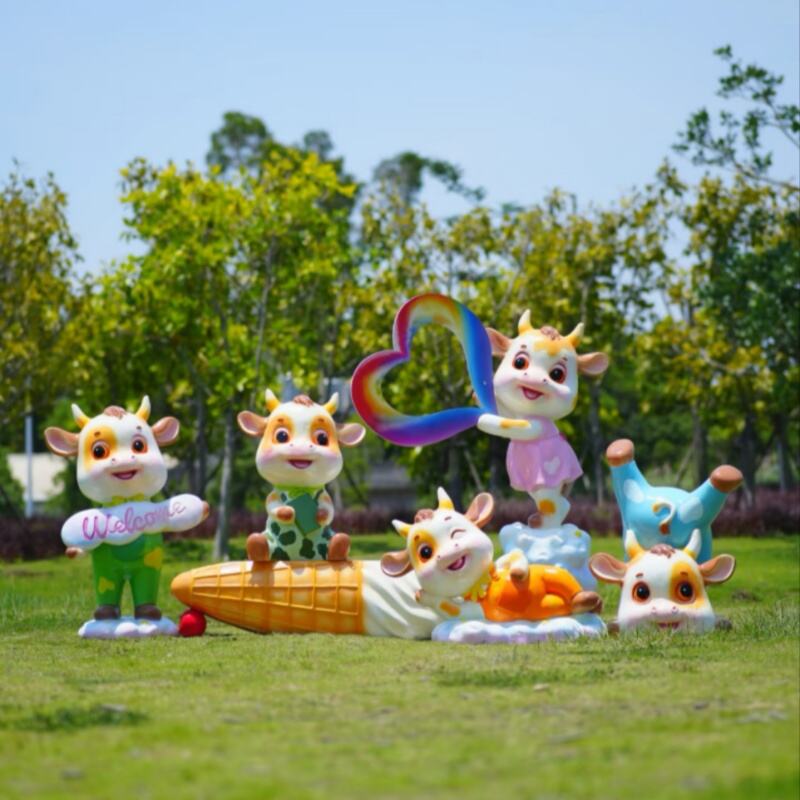
The magic of Christmas comes alive through carefully crafted sculptural installations that transform ordinary spaces into enchanting winter wonderlands. When light and color are masterfully integrated with three-dimensional holiday art, they create powerful emotional connections that resonate deeply with viewers. Modern christmas snowman decoration pieces exemplify this perfect fusion, where traditional holiday motifs meet contemporary artistic vision to produce installations that captivate audiences across diverse settings. The interplay between illumination, chromatic elements, and sculptural form has revolutionized how we experience seasonal art, moving beyond simple decoration to create immersive environments that tell compelling stories.

The Psychology of Color in Festive Sculptural Design
Emotional Responses to Holiday Color Palettes
Color psychology plays a fundamental role in how audiences perceive and interact with Christmas sculptural installations. Traditional holiday hues like deep reds, forest greens, and pristine whites evoke nostalgic memories and cultural associations that transcend individual preferences. These colors trigger subconscious responses rooted in centuries of cultural conditioning, where red symbolizes warmth and celebration, green represents nature and renewal, and white embodies purity and peace. When applied to sculptural christmas snowman decoration installations, these color choices create immediate recognition and emotional engagement.
Contemporary artists have expanded this palette to include metallics like gold and silver, which add sophistication and reflect light beautifully in both indoor and outdoor settings. The strategic use of contrasting colors can create visual tension that draws attention from greater distances, while harmonious color schemes promote contemplation and intimate viewing experiences. Research in environmental psychology demonstrates that warm colors tend to make spaces feel more inviting and cozy, while cool colors can create a sense of spaciousness and tranquility in crowded urban environments.
Cultural Symbolism and Universal Appeal
The effectiveness of color in Christmas installations extends beyond individual psychology to encompass broader cultural meanings that vary across different societies and traditions. While Western cultures strongly associate red and green with Christmas celebrations, artists creating international installations must consider how these colors resonate with diverse audiences. Successful sculptural works often incorporate universal symbols like snow-white surfaces and golden accents that transcend specific cultural boundaries while maintaining the festive spirit essential to christmas snowman decoration themes.
Artists working with public installations frequently conduct extensive research into local color preferences and cultural associations to ensure their work resonates appropriately with community values. This cultural sensitivity allows sculptural installations to serve as bridges between different traditions while celebrating the universal themes of joy, generosity, and community connection that define the holiday season across cultures.
Illumination Techniques That Transform Static Sculptures
Dynamic Lighting Systems and Visual Movement
Modern lighting technology has revolutionized the potential for sculptural christmas snowman decoration installations to create dynamic, ever-changing visual experiences. LED systems allow artists to program complex lighting sequences that can shift colors, intensity, and patterns throughout the day or in response to environmental factors like weather or crowd density. These programmable systems transform static sculptures into living artworks that evolve continuously, maintaining viewer interest over extended periods and creating unique experiences for repeat visitors.
Projection mapping technology represents another frontier in sculptural illumination, enabling artists to overlay digital imagery directly onto three-dimensional surfaces. This technique can make sculptures appear to move, change texture, or interact with virtual elements in ways that would be impossible through traditional lighting alone. The result is an immersive experience where physical and digital elements blend seamlessly, creating installations that feel alive and responsive to their environment.
Strategic Placement for Maximum Visual Impact
The positioning and angle of lighting sources dramatically influence how sculptures are perceived and experienced by viewers. Uplighting can create dramatic shadows and emphasize the vertical elements of christmas snowman decoration sculptures, while side lighting reveals textural details and dimensional qualities that might otherwise be overlooked. Backlighting creates silhouette effects that can be particularly striking in outdoor evening installations, transforming recognizable forms into mysterious and captivating shapes.
Professional installation designers often employ multiple lighting layers, combining ambient illumination for general visibility with accent lighting to highlight specific sculptural features and task lighting to ensure safe navigation around the installation. This layered approach creates visual depth and allows viewers to discover new details as they move through and around the sculptural environment, extending engagement time and enhancing overall satisfaction with the artistic experience.
Material Considerations for Light Integration
Surface Treatments and Reflective Properties
The choice of materials and surface treatments significantly impacts how light interacts with sculptural installations. Highly polished surfaces create sharp reflections that can multiply light sources and create dazzling effects, while matte finishes provide even light distribution that emphasizes form over brilliance. Textured surfaces add visual interest by creating complex shadow patterns that change throughout the day as natural light angles shift, providing dynamic variation even in installations without artificial illumination.
Translucent materials like certain plastics or treated fiberglass allow light to penetrate and glow from within, creating an ethereal quality that works particularly well for christmas snowman decoration themes where the goal is to evoke winter magic and wonder. These materials can be colored or treated with special coatings that enhance specific wavelengths of light, allowing artists to achieve precise color effects that remain consistent across different lighting conditions.
Weather Resistance and Durability Factors
Outdoor sculptural installations must withstand various weather conditions while maintaining their visual impact throughout the entire holiday season. Materials selection requires careful consideration of factors like UV resistance, thermal expansion, and moisture penetration that could compromise both the structural integrity and aesthetic qualities of the artwork. Modern composite materials offer excellent weather resistance while providing the flexibility needed for complex sculptural forms and integrated lighting systems.
The integration of lighting elements adds additional complexity to weatherproofing requirements, as electrical components must be protected from moisture while maintaining accessibility for maintenance and seasonal setup. Professional-grade christmas snowman decoration installations often incorporate sealed lighting systems with external control interfaces that allow for adjustments and repairs without compromising weather protection. This attention to technical details ensures that the artistic vision remains intact throughout changing seasonal conditions.
Environmental Integration and Contextual Harmony
Landscape Architecture and Spatial Relationships
Successful sculptural installations consider their relationship to the surrounding environment, using light and color to either complement existing architectural elements or create deliberate contrast that draws attention to the artwork. The scale and proportion of installations must balance visual impact with spatial harmony, ensuring that the sculpture enhances rather than overwhelms its setting. Landscape lighting designers often work closely with sculptors to create integrated environments where artificial lighting extends beyond the sculpture itself to illuminate pathways, vegetation, and architectural features.
The temporal aspects of environmental integration become particularly important during the holiday season when installations compete with other decorative elements and must coordinate with existing lighting schemes. Professional installations often include adjustable lighting controls that allow intensity and color temperature to be modified based on surrounding conditions, ensuring optimal visibility and aesthetic harmony throughout different times of day and weather conditions.
Sustainability and Energy Efficiency Considerations
Modern christmas snowman decoration installations increasingly incorporate sustainable design principles that minimize environmental impact while maximizing visual effectiveness. LED lighting systems consume significantly less energy than traditional incandescent bulbs while providing superior color accuracy and longevity. Solar charging systems can power smaller installations independently, reducing infrastructure requirements and operational costs while demonstrating commitment to environmental responsibility.
Smart control systems optimize energy consumption by adjusting lighting levels based on occupancy, time of day, and ambient light conditions. These systems can reduce energy consumption by up to sixty percent compared to static lighting installations while maintaining consistent visual quality. The integration of motion sensors and programmable timers ensures that full illumination is provided when audiences are present while conserving energy during periods of low activity.
Technical Implementation and Professional Installation
Design Planning and Engineering Requirements
The successful implementation of illuminated sculptural installations requires extensive planning that addresses both artistic vision and technical feasibility. Professional design teams typically include sculptors, lighting designers, electrical engineers, and structural engineers who collaborate to ensure that creative goals can be achieved safely and reliably. Computer modeling and visualization tools allow teams to test different lighting scenarios and color combinations before physical installation begins, reducing costs and ensuring optimal results.
Load calculations and structural analysis become critical when integrating lighting systems into christmas snowman decoration sculptures, particularly for outdoor installations that must withstand wind loads and seismic forces. Professional installations typically include redundant safety systems and emergency shutoff capabilities to protect both the artwork and surrounding areas from potential electrical hazards.
Maintenance Protocols and Seasonal Operations
The complexity of modern illuminated sculptures requires comprehensive maintenance protocols to ensure consistent performance throughout the holiday season. Professional installation teams develop detailed maintenance schedules that address both routine cleaning and technical servicing of lighting and control systems. Access provisions built into the original design facilitate efficient maintenance operations while minimizing disruption to ongoing displays.
Documentation and training protocols ensure that facility maintenance staff can perform basic operations and troubleshooting procedures independently, while complex repairs and adjustments remain the responsibility of specialized technicians. This collaborative approach reduces operational costs while ensuring that installations maintain their intended visual impact throughout their operational period. Seasonal storage and reinstallation procedures protect investments in equipment and materials while facilitating efficient annual setup and removal processes.
FAQ
What types of lighting work best for outdoor Christmas sculptures?
LED lighting systems provide the best combination of energy efficiency, color accuracy, and weather resistance for outdoor christmas snowman decoration installations. These systems offer programmable color changing capabilities, excellent longevity, and minimal heat generation that won't damage sculptural materials. Professional installations often use low-voltage LED systems with weatherproof controllers and dimming capabilities to achieve optimal visual effects while ensuring safe operation in outdoor environments.
How do artists choose colors that will appeal to diverse audiences?
Successful sculptural installations typically incorporate universal color themes that transcend specific cultural associations while maintaining holiday relevance. Artists often research local preferences and cultural meanings of different colors, then select palettes that combine traditional holiday colors with culturally neutral elements like metallics or natural tones. The key is balancing recognizable holiday imagery with inclusive design elements that welcome viewers from various cultural backgrounds.
What maintenance is required for illuminated Christmas sculptures?
Regular maintenance includes cleaning sculptural surfaces to maintain optimal light reflection and transmission, checking electrical connections for weather damage, and testing lighting control systems for proper operation. Professional installations typically require weekly inspections during the operational season, with daily checks of critical systems and emergency protocols. Proper maintenance scheduling ensures consistent visual quality while protecting significant investments in equipment and materials.
How do lighting effects enhance the emotional impact of holiday sculptures?
Strategic lighting creates dramatic shadows, emphasizes textural details, and can make sculptures appear to glow from within, creating an almost magical quality that enhances the wonder and joy associated with christmas snowman decoration displays. Dynamic lighting sequences can create the illusion of movement and life, while color changing effects allow sculptures to evolve throughout the evening, maintaining viewer interest and creating memorable experiences that strengthen emotional connections to the artwork and the holiday season.