
 EN
EN

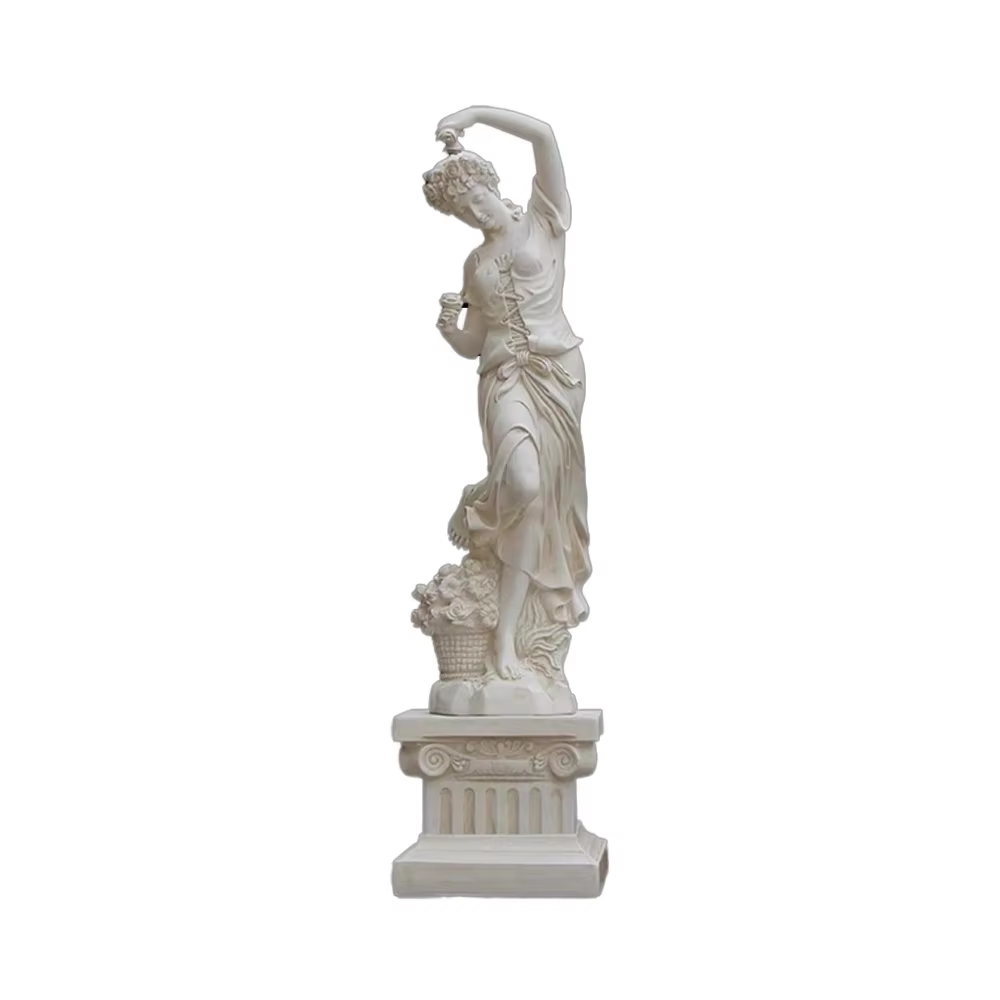
Garden sculpture decorations have emerged as transformative elements in modern landscape design, bridging the gap between artistic expression and functional outdoor enhancement. These carefully crafted pieces serve multiple purposes, from creating focal points that draw the eye to establishing emotional connections between viewers and their environment. Whether incorporated into intimate residential gardens or expansive public spaces, sculptural elements possess the unique ability to define character, establish atmosphere, and create memorable experiences that resonate with visitors long after they've left the space.
The integration of sculptural art into outdoor environments represents a sophisticated approach to landscape architecture that considers both aesthetic impact and psychological influence. Contemporary designers increasingly recognize that successful outdoor spaces must engage multiple senses and create layers of meaning that unfold over time. Through strategic placement and thoughtful selection, garden sculptures transform ordinary landscapes into dynamic, living galleries that evolve with changing seasons, lighting conditions, and viewing perspectives.
The Psychological Impact of Sculptural Elements in Outdoor Environments
Creating Emotional Connections Through Art
The presence of sculptural elements in outdoor spaces triggers profound psychological responses that extend far beyond mere visual appreciation. Research in environmental psychology demonstrates that well-placed art installations can significantly reduce stress levels, promote mindfulness, and encourage social interaction among visitors. Garden sculpture decorations serve as conversation starters, meditation focal points, and sources of inspiration that enhance the overall therapeutic value of outdoor environments.
When individuals encounter unexpected artistic elements during their daily routines or recreational activities, these moments of discovery create positive associations with the surrounding space. This phenomenon, known as environmental enrichment, contributes to improved mental well-being and increased satisfaction with both residential and public areas. The psychological benefits multiply when sculptures incorporate interactive elements or change appearance throughout different times of day and seasons.
Influencing Spatial Perception and Movement
Strategic sculpture placement fundamentally alters how people perceive and navigate outdoor spaces, creating invisible pathways that guide movement while establishing natural gathering points. Large-scale installations can make expansive areas feel more intimate and manageable, while smaller pieces add layers of discovery that encourage exploration and extended engagement. The three-dimensional nature of sculptures provides depth and visual anchors that help visitors orient themselves within complex landscapes.
The interplay between sculpture and surrounding vegetation creates dynamic relationships that evolve throughout the growing season, offering visitors new perspectives and experiences during each visit. This temporal dimension adds richness to outdoor spaces that static landscape elements cannot achieve, making garden sculpture decorations valuable investments in long-term spatial quality and user satisfaction.
Material Selection and Weather Resistance Considerations
Durability Requirements for Different Climate Zones
The selection of appropriate materials for outdoor sculptures requires careful consideration of local climate conditions, maintenance requirements, and expected lifespan. Stainless steel has emerged as a preferred choice for many installations due to its exceptional corrosion resistance, minimal maintenance needs, and ability to develop attractive patina over time. Bronze and weathering steel offer similar durability while providing distinct aesthetic characteristics that complement different landscape styles.
Natural stone sculptures, while requiring more initial investment and specialized installation techniques, provide unmatched longevity and develop beautiful weathering patterns that enhance their integration with natural surroundings. Composite materials and specially treated metals offer cost-effective alternatives that maintain appearance standards while reducing long-term maintenance obligations, making quality sculptural installations accessible to broader range of projects and budgets.
Maintenance and Preservation Strategies
Effective maintenance programs ensure that sculptural investments continue providing aesthetic and functional benefits throughout their intended lifespan. Regular cleaning schedules, protective coating applications, and structural inspections help prevent deterioration while maintaining safety standards for public installations. Understanding the specific requirements of different materials enables property managers to develop cost-effective maintenance protocols that preserve artistic integrity.
Seasonal maintenance considerations include protection from ice damage, salt exposure in coastal areas, and extreme temperature fluctuations that can cause expansion and contraction stress. Professional installation techniques, including proper foundations and drainage systems, significantly reduce long-term maintenance requirements while ensuring structural stability under various weather conditions.

Design Integration Strategies for Residential Applications
Scale and Proportion in Private Gardens
Successful integration of garden sculpture decorations in residential settings requires careful attention to scale relationships with existing landscape elements, architectural features, and available space. Oversized pieces can overwhelm intimate garden areas, while undersized sculptures may lack sufficient visual impact to justify their placement. The most effective residential installations achieve balance through thoughtful consideration of viewing distances, surrounding plant materials, and seasonal changes in vegetation density.
Homeowners should consider the long-term growth patterns of nearby plants and trees to ensure that sculptural elements maintain their intended visual prominence and accessibility over time. Professional landscape designers often recommend selecting pieces that complement existing hardscape materials and architectural styles while providing sufficient contrast to maintain visual interest and prevent monotonous uniformity.
Creating Focal Points and Visual Hierarchy
Strategic placement of sculptural elements helps establish clear visual hierarchy within residential landscapes, guiding attention through designed sequences of discovery and appreciation. Primary focal points, typically featuring larger or more dramatic pieces, anchor major sight lines and viewing areas, while secondary sculptures provide supporting interest and encourage movement throughout the garden space.
The most successful residential installations create layered viewing experiences that reveal different sculptural elements as visitors move through the space, maintaining engagement and preventing visual fatigue. This approach transforms private gardens into personal art galleries that provide ongoing enjoyment and satisfaction for homeowners while adding significant value to property assets.
Public Space Applications and Community Benefits
Enhancing Civic Pride and Identity
Public installations of garden sculpture decorations serve as powerful tools for building community identity and fostering civic pride among residents. These installations become landmarks that help define neighborhoods and create shared reference points for community members. When designed with input from local stakeholders, public sculptures can reflect cultural values, historical significance, and collective aspirations that strengthen social cohesion.
The presence of quality art installations signals community investment in aesthetic improvement and cultural development, potentially attracting additional investment and encouraging further beautification efforts. Studies consistently demonstrate correlations between public art presence and increased property values, business activity, and overall community satisfaction levels.
Programming and Educational Opportunities
Public sculpture installations provide excellent foundations for educational programming, community events, and cultural activities that bring residents together around shared artistic experiences. Walking tours, artist talks, and interpretive programs help visitors understand artistic intentions while building appreciation for both contemporary and traditional sculptural approaches.
Educational signage and interactive elements can transform public sculptures into learning opportunities that benefit visitors of all ages and backgrounds. These programs often generate ongoing community engagement that extends far beyond initial installation periods, creating lasting cultural assets that continue providing value for decades.
Economic Considerations and Return on Investment
Initial Investment and Installation Costs
The financial investment required for quality sculptural installations varies significantly based on size, materials, complexity, and site preparation requirements. While initial costs may seem substantial, the long-term benefits often justify expenditures through increased property values, enhanced user satisfaction, and reduced landscape maintenance needs in surrounding areas.
Professional installation ensures proper foundations, drainage, and safety compliance while protecting long-term investment value. Many municipalities and private developers find that sculpture installations generate positive publicity and community support that translates into measurable economic benefits through increased tourism, business activity, and property development interest.
Long-Term Value and Appreciation
Quality garden sculpture decorations typically appreciate in value over time while providing ongoing aesthetic and functional benefits that justify initial investment costs. Unlike many landscape improvements that require periodic replacement or major renovation, well-selected and properly installed sculptures can provide decades of service with minimal maintenance requirements.
The cultural and historical significance of sculptural installations often increases over time, particularly when pieces are created by recognized artists or commemorate important community events. This appreciation potential makes sculptural investments particularly attractive for long-term property owners and public agencies seeking to maximize return on infrastructure investments.
FAQ
What factors should be considered when selecting sculptures for different climate conditions?
Climate considerations include material durability, temperature extremes, precipitation patterns, and seasonal freeze-thaw cycles. Stainless steel and bronze offer excellent weather resistance across most climates, while natural stone requires consideration of porosity and frost resistance. Coastal installations need materials that resist salt corrosion, and desert environments require protection against sand abrasion and extreme temperature fluctuations.
How do sculptural installations affect property values in residential and commercial settings?
Studies consistently show that quality art installations increase property values by 5-15% while enhancing marketability and buyer appeal. Commercial properties with sculptural elements typically command higher rents and experience reduced vacancy rates. The value impact depends on sculpture quality, professional installation, and integration with surrounding landscape design elements.
What maintenance requirements should property owners expect for outdoor sculptures?
Maintenance needs vary by material but generally include regular cleaning, periodic protective coating applications, and structural inspections. Metal sculptures may require annual cleaning and coating touch-ups every 3-5 years, while stone pieces need less frequent but more specialized care. Professional maintenance contracts often provide cost-effective solutions for complex or valuable installations.
How can sculptures be integrated with existing landscape designs effectively?
Successful integration requires consideration of scale, material compatibility, color relationships, and viewing angles from multiple perspectives. Sculptures should complement rather than compete with architectural elements while providing sufficient contrast to maintain visual interest. Professional landscape designers can help select pieces that enhance rather than overwhelm existing design themes and plant selections.
Table of Contents
- The Psychological Impact of Sculptural Elements in Outdoor Environments
- Material Selection and Weather Resistance Considerations
- Design Integration Strategies for Residential Applications
- Public Space Applications and Community Benefits
- Economic Considerations and Return on Investment
-
FAQ
- What factors should be considered when selecting sculptures for different climate conditions?
- How do sculptural installations affect property values in residential and commercial settings?
- What maintenance requirements should property owners expect for outdoor sculptures?
- How can sculptures be integrated with existing landscape designs effectively?