
 EN
EN

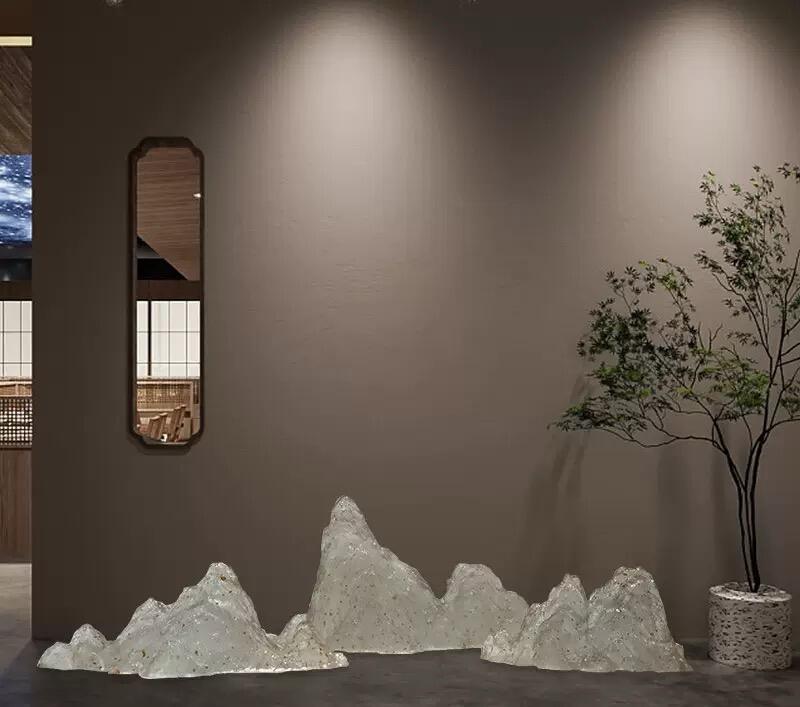
Cities worldwide have discovered that strategic placement of festive sculptures and decorative installations can transform urban landscapes into vibrant cultural destinations. The integration of seasonal artworks, particularly during major celebrations, creates powerful magnets for both local residents and international visitors. These artistic investments serve dual purposes by celebrating cultural heritage while simultaneously boosting economic activity through increased foot traffic and tourism revenue. Municipal planners increasingly recognize that well-designed public art installations can reshape a city's identity and create lasting impressions that extend far beyond the celebration period itself.
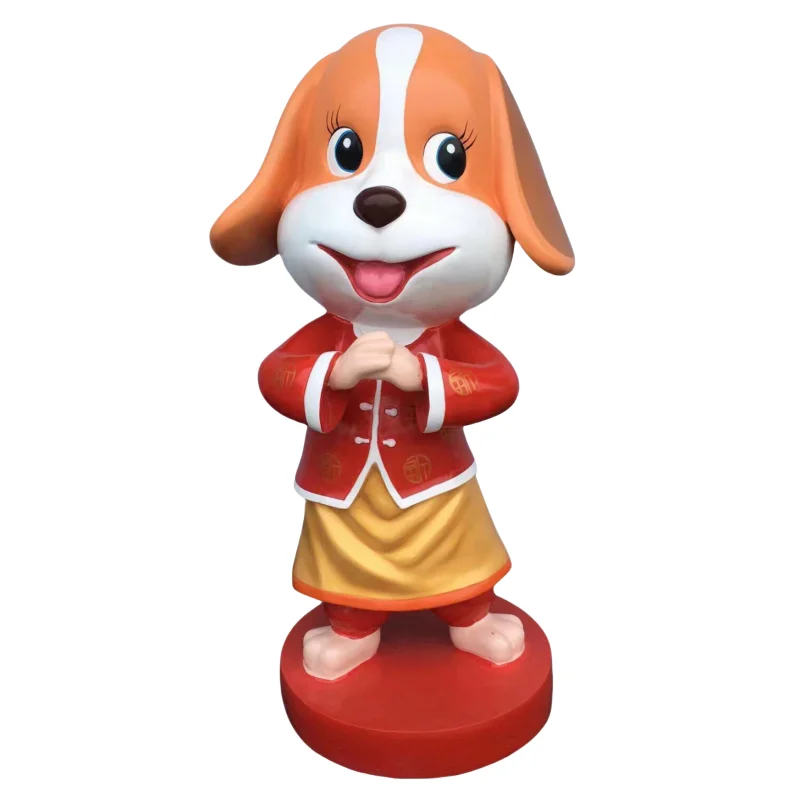
Economic Impact of Festival Sculptures on Urban Tourism
Revenue Generation Through Cultural Tourism
The financial benefits of implementing large-scale festival sculptures in urban environments extend far beyond the initial installation costs. Cities that invest in spectacular holiday displays often experience significant increases in visitor spending across multiple sectors including hospitality, dining, retail, and entertainment. Research indicates that destinations featuring prominent cultural celebrations can see tourism revenue increases of 15-30% during peak festival periods. The multiplier effect occurs as visitors attracted by the primary cultural draw tend to extend their stays and explore additional local offerings.
Strategic placement of these decorative installations in commercial districts creates natural gathering points that encourage extended exploration of surrounding businesses. The photogenic nature of well-designed sculptures generates substantial social media engagement, creating organic marketing campaigns that reach global audiences at minimal cost. This digital amplification effect can continue promoting a destination long after the physical installations have been removed, establishing the city as a desirable cultural tourism destination for future visits.
Long-term Economic Development Benefits
Beyond immediate tourism revenue, cities that consistently invest in high-quality festival displays often experience sustained economic development benefits. Regular cultural programming helps establish a city's reputation as a dynamic, culturally rich destination, attracting not only tourists but also businesses, residents, and investors. The enhanced city image created through strategic cultural investments can influence real estate values, business relocation decisions, and overall economic competitiveness within regional markets.
Municipal economic development officials frequently report that well-executed cultural initiatives serve as catalysts for broader urban revitalization projects. The increased foot traffic generated by festival installations often provides the economic justification needed for infrastructure improvements, public space enhancements, and additional cultural programming. This creates a positive feedback loop where cultural investments generate the economic activity necessary to fund future cultural and infrastructure development projects.
Community Identity and Cultural Preservation
Strengthening Local Cultural Connections
Festival sculptures serve as powerful tools for reinforcing community identity and cultural continuity, particularly in diverse urban environments where traditional practices might otherwise fade. When cities invest in authentic cultural representations through public art, they provide visible affirmation of community values and heritage. This public recognition helps maintain cultural traditions across generations while creating shared experiences that bring community members together around common celebrations and customs.
The process of planning and implementing cultural installations often involves extensive community consultation and participation, further strengthening social bonds and civic engagement. Local artists, cultural organizations, and community leaders typically collaborate in design and execution phases, creating ownership and pride in the final installations. This collaborative approach ensures that the resulting displays authentically represent the community while providing opportunities for skill development and cultural education among participants.
Bridging Generational and Cultural Divides
Well-designed festival installations create opportunities for intergenerational knowledge transfer and cultural education within communities. Older community members often serve as cultural advisors and storytellers during the planning process, sharing traditional knowledge and practices with younger generations. The resulting installations become focal points for family gatherings and cultural celebrations, providing natural settings for the transmission of cultural knowledge and traditions.
In multicultural urban environments, thoughtfully planned cultural displays can promote cross-cultural understanding and appreciation. When cities celebrate diverse cultural traditions through public art installations, they create opportunities for different community groups to learn about and appreciate each other's heritage. This cultural exchange promotes social cohesion and helps build the inclusive community identity that many modern cities strive to achieve.
Strategic Placement and Design Considerations
Maximizing Visibility and Accessibility
The success of festival sculptures in promoting tourism and community identity depends heavily on strategic placement within urban environments. Prime locations typically include major transportation hubs, central shopping districts, public squares, and other high-traffic areas where installations can achieve maximum visibility and accessibility. Urban planners must carefully consider pedestrian flow patterns, vehicle traffic, and public transportation access when selecting installation sites to ensure optimal exposure and visitor engagement.
Accessibility considerations extend beyond physical placement to include accommodations for visitors with different mobility needs and cultural backgrounds. Successful installations incorporate universal design principles that allow all community members and visitors to fully experience and appreciate the cultural displays. This inclusive approach not only serves social equity goals but also maximizes the potential audience and impact of the cultural programming.
Integration with Existing Urban Infrastructure
Effective festival sculpture programs require careful integration with existing urban infrastructure and ongoing city operations. Installation planning must account for utility lines, emergency access routes, maintenance requirements, and compatibility with regular street cleaning and snow removal operations. The most successful programs develop standardized installation procedures and maintenance protocols that minimize disruption to normal city functions while maximizing the impact and longevity of the cultural displays.
Coordination with local businesses and property owners often enhances the overall impact of festival installations while building community support for ongoing cultural programming. Many successful programs incorporate chinese new year decoration elements that complement existing architectural features and business displays, creating cohesive visual experiences that benefit all stakeholders. This collaborative approach helps ensure that festival installations enhance rather than compete with existing commercial and cultural activities.
Marketing and Promotional Strategies
Digital Marketing and Social Media Engagement
Modern festival sculpture programs leverage digital marketing strategies to maximize reach and engagement with target audiences. Professional photography and videography of installations provide high-quality content for websites, social media campaigns, and promotional materials that can reach global audiences. Many cities develop dedicated hashtags and encourage user-generated content to amplify the organic reach of their cultural programming through social media platforms.
The visual appeal of well-designed festival sculptures makes them particularly effective subjects for viral marketing campaigns. Cities that invest in photogenic installations often see substantial returns on their marketing investments as visitors naturally share images and experiences through their personal social media networks. This organic promotion extends the reach of tourism marketing far beyond traditional advertising budgets while providing authentic endorsements from actual visitors.
Partnership Development and Collaboration
Successful festival sculpture programs typically involve partnerships between municipal governments, local businesses, cultural organizations, and tourism boards. These collaborative relationships help distribute costs while leveraging the expertise and resources of multiple stakeholders. Tourism boards often provide marketing support and visitor services, while local businesses may contribute funding in exchange for promotional opportunities and increased foot traffic.
Cultural organizations and artist collectives bring authenticity and artistic expertise to festival installations while helping ensure that displays accurately represent the cultural traditions being celebrated. These partnerships often extend beyond individual events to create ongoing cultural programming that sustains tourism interest throughout the year. The relationship-building that occurs through collaborative cultural projects often leads to additional economic development opportunities and community partnerships.
Measuring Success and Return on Investment
Tourism Metrics and Economic Analysis
Cities implementing festival sculpture programs must develop comprehensive measurement systems to evaluate success and justify ongoing investments. Tourism metrics typically include visitor arrival numbers, length of stay statistics, spending patterns, and geographic origin data collected through hotel bookings, transportation usage, and visitor surveys. Economic analysis should account for both direct spending by festival visitors and indirect economic impacts on local businesses and service providers.
Advanced measurement approaches incorporate digital analytics from social media engagement, website traffic, and mobile phone location data to provide more comprehensive understanding of visitor behavior and program reach. These data sources help cities understand not only how many people visit festival installations but also how they discover the events, what other activities they participate in, and how likely they are to return or recommend the destination to others.
Community Impact Assessment
Beyond economic metrics, successful festival sculpture programs require assessment of community impact and cultural preservation goals. Community surveys and focus groups help measure changes in cultural pride, community cohesion, and intergenerational cultural transmission that result from public cultural programming. These qualitative measures often provide the most compelling evidence for the long-term value of cultural investments.
Participation levels in cultural events and community involvement in planning processes serve as important indicators of program success in achieving community identity and cultural preservation objectives. Cities that track these metrics over time often discover that consistent cultural programming leads to increased civic engagement and community participation in other municipal initiatives. This broader community development impact provides additional justification for ongoing investment in festival sculpture programs.
FAQ
How do cities determine the appropriate budget for festival sculpture installations
Municipal budget allocation for festival sculptures typically involves analysis of expected tourism revenue, community engagement goals, and available funding sources. Most successful programs allocate 2-5% of annual tourism marketing budgets to cultural installations, with additional funding from local business partnerships and cultural grants. Cities often start with smaller pilot programs to demonstrate return on investment before scaling up to larger installations.
What are the most effective materials and design approaches for outdoor festival sculptures
Weather-resistant materials such as fiberglass, aluminum, and specially treated wood provide durability while allowing for detailed artistic expression. LED lighting systems enable dramatic nighttime displays while maintaining energy efficiency. Modular designs facilitate storage and reuse across multiple years, improving long-term cost effectiveness. Many cities develop relationships with specialized manufacturers who understand both artistic requirements and practical installation challenges.
How long should festival sculptures remain in place for optimal impact
Most effective festival sculpture programs maintain installations for 4-8 weeks surrounding major cultural celebrations, allowing sufficient time for word-of-mouth promotion while maintaining novelty and excitement. Extended display periods of 2-3 months work well for major tourism seasons, while shorter 2-3 week installations create urgency that encourages immediate visits. Cities must balance visitor expectations with storage costs and weather exposure concerns.
What permits and approvals are typically required for public festival installations
Municipal festival sculpture programs typically require coordination with multiple city departments including public works, parks and recreation, licensing, and emergency services. Installation permits must address safety requirements, accessibility compliance, and insurance coverage. Many cities streamline the approval process by developing standardized procedures and pre-approved installation locations that meet all regulatory requirements while providing optimal visibility and access.
Table of Contents
- Economic Impact of Festival Sculptures on Urban Tourism
- Community Identity and Cultural Preservation
- Strategic Placement and Design Considerations
- Marketing and Promotional Strategies
- Measuring Success and Return on Investment
-
FAQ
- How do cities determine the appropriate budget for festival sculpture installations
- What are the most effective materials and design approaches for outdoor festival sculptures
- How long should festival sculptures remain in place for optimal impact
- What permits and approvals are typically required for public festival installations